 Business License

Structured Packing vs Random Packing: Complete Engineering Comparison for Packed Columns
Structured Packing vs Random Packing: Complete Engineering Comparison for Packed Columns
Introduction
Structured packing and random packing are the two most commonly used types of tower packing in packed columns.
Both are designed to provide gas-liquid contact and improve mass transfer efficiency, but their structures, operating characteristics and suitable applications are different.
Choosing between structured packing and random packing depends on process requirements, including separation efficiency, pressure drop, fouling tendency, operating flexibility and maintenance conditions.
DAIER Separation provides structured packing and random packing solutions for distillation columns, absorption towers, scrubbers and gas-liquid separation equipment.
What Is Structured Packing?
Structured packing consists of arranged corrugated sheets assembled into regular modules.
The ordered geometry creates uniform channels for gas and liquid flow.
Advantages of Structured Packing
High separation efficiency
Low pressure drop
Large specific surface area
Suitable for vacuum operation
Compact design
Typical Applications
Structured packing is commonly used in:
Vacuum distillation columns
High purity separation systems
Chemical processing towers
Applications requiring high efficiency
What Is Random Packing?
Random packing consists of individual packing elements randomly loaded into the tower.
Common types include:
Pall Ring
Intalox Saddle
Raschig Ring
Cascade Mini Ring
Advantages of Random Packing
Good fouling resistance
High operating flexibility
Easy installation
Suitable for retrofit projects
Lower initial investment
Typical Applications
Random packing is widely used in:
Absorption towers
Scrubbers
Gas treatment systems
Corrosive environments
Key Differences Between Structured Packing and Random Packing
| Factor | Structured Packing | Random Packing |
|---|---|---|
| Structure | Ordered modules | Individual elements |
| Efficiency | Higher | Medium to high |
| Pressure Drop | Lower | Higher |
| Fouling Resistance | Moderate | Better |
| Installation | More careful | Easier |
| Retrofit | Depends on tower | Flexible |
| Cost | Higher | Lower |
How Do Engineers Choose Between Them?
Choose Structured Packing When:
High separation efficiency is required
Pressure drop must be minimized
Vacuum operation is involved
Tower height is limited
Choose Random Packing When:
Fouling is a concern
Easy replacement is important
Liquid distribution is less predictable
Retrofit projects are required
Material Selection Considerations
Both structured and random packing can be manufactured from different materials.
Metal Packing
Suitable for:
High temperature applications
Chemical processing
Distillation systems
Plastic Packing
Suitable for:
Corrosive gas treatment
Scrubber applications
Ceramic Packing
Suitable for:
Acid-resistant applications
High temperature environments
Common Engineering Mistakes
Selecting Only Based on Efficiency
Higher efficiency does not always mean better performance.
Operating conditions must be considered.
Ignoring Fouling Risk
A high-performance packing may fail if the process contains solids or contaminants.
Choosing Material Without Considering Corrosion
Material compatibility is critical for long-term operation.
Conclusion
Structured packing and random packing each have advantages in different applications.
The correct selection depends on process conditions, separation requirements and operating challenges.
DAIER Separation helps customers select suitable tower packing solutions for distillation, absorption and gas-liquid separation applications.
Related Products
Structured Packing
Random Packing
Metal Pall Ring
Ceramic Packing
Plastic Packing
Recently Posted
-
How to Choose the Right Tower Packing for Your Application: A Complete Engineering Guide
August 20, 2026How to Choose the Right Tower Packing for Your Application: A Complete Engineering GuideIntroductionSelecting the right tower pack Read More
 -
DAIER Separation Knowledge Base: Engineering Solutions for Tower Packing and Internals
August 20, 2026DAIER Separation Knowledge Base: Engineering Solutions for Tower Packing and InternalsIntroductionIndustrial separation equipment Read More
 -
Packed Tower Revamp Guide: How to Improve Existing Column Performance
August 20, 2026Packed Tower Revamp Guide: How to Improve Existing Column PerformanceIntroductionMany industrial packed towers operate for decades Read More
 -
Reliable Tower Internals Supplier: What Makes a Good Partner?
August 20, 2026Reliable Tower Internals Supplier: What Makes a Good Partner?IntroductionTower internals are critical components in packed columns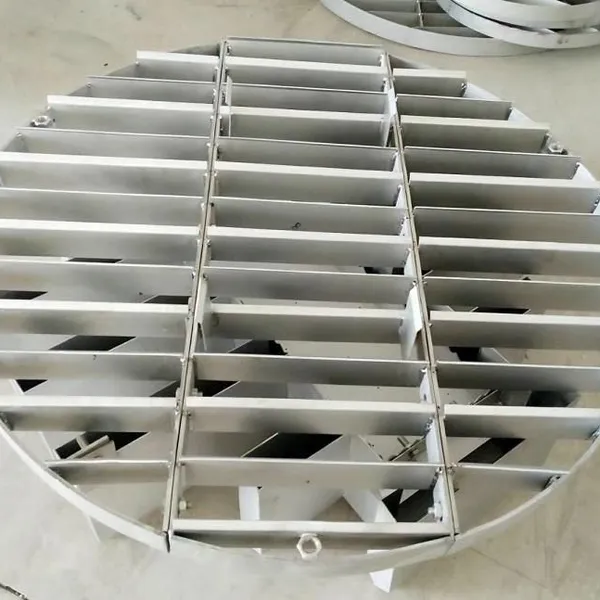 Read More

Contact Us
Recommended Products
-
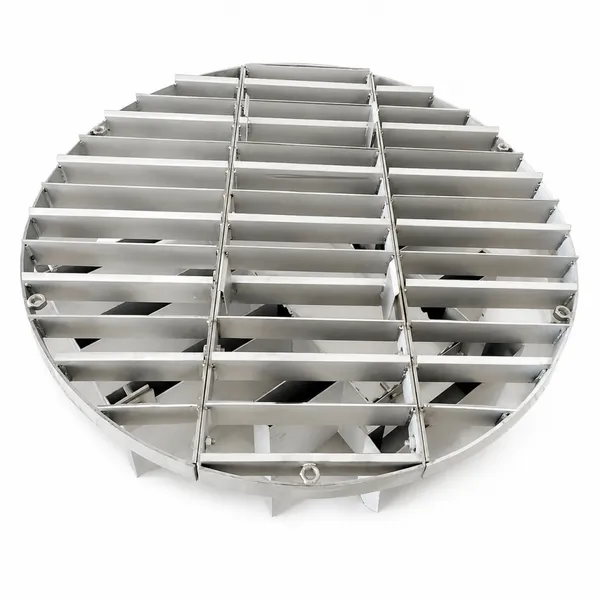
 Structured Packing Support Grid Tower Internals for Distillation and Absorption ColumnsNegotiableMOQ: 1 Set
 -
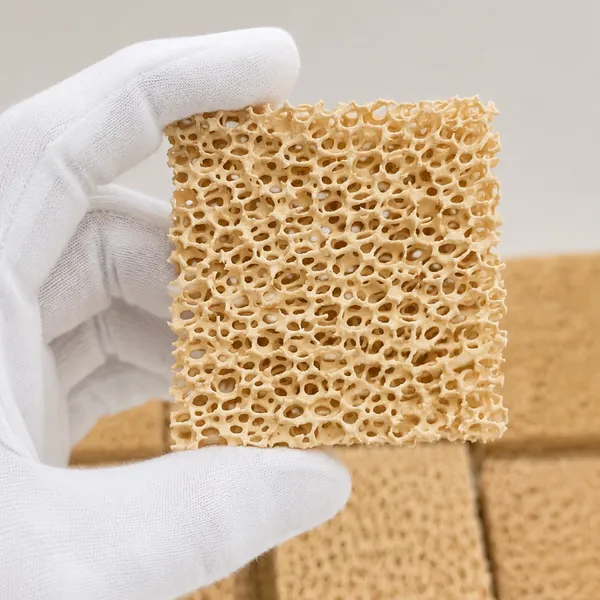
Zirconia Ceramic Foam Filter for Precision Casting and Superalloy FiltrationNegotiableMOQ: 1 Cubic Meter
-
Customized Ceramic Foam Filter for Molten Metal Filtration ApplicationsNegotiableMOQ: 1 Cubic Meter
-
Steel Casting Ceramic Foam Filter for Molten Steel FiltrationNegotiableMOQ: 1 Cubic Meter
-
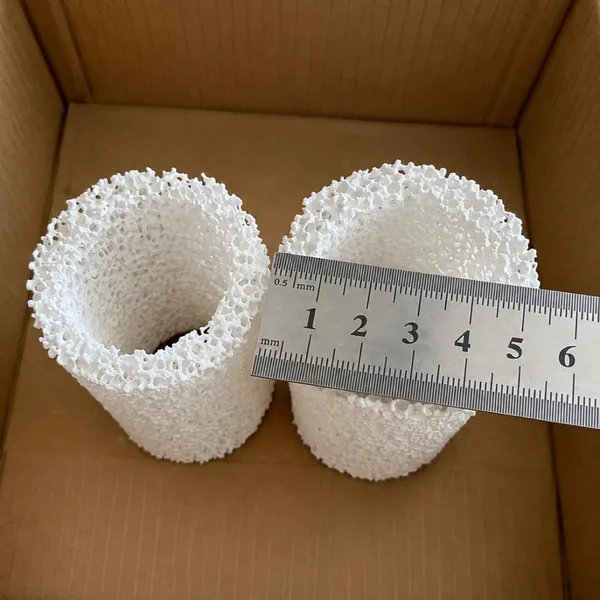
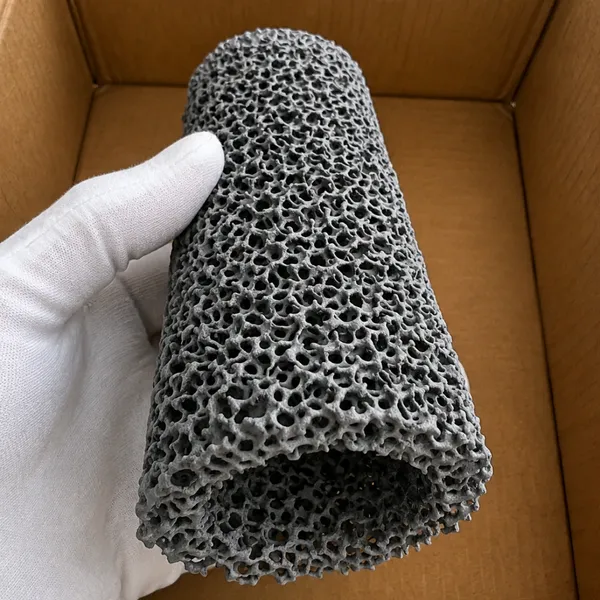
Aluminum Casting Ceramic Foam Filter for Molten Aluminum FiltrationNegotiableMOQ: 1 Cubic Meter
-
Zirconia Ceramic Foam Filter for High Temperature Steel Casting FiltrationNegotiableMOQ: 1 Cubic Meter
-
Alumina Ceramic Foam Filter for Aluminum Casting FiltrationNegotiableMOQ: 1 Cubic Meter
-
Silicon Carbide Ceramic Foam Filter for Molten Metal FiltrationNegotiableMOQ: 1 Cubic Meter
-
Customized Honeycomb Ceramic Block for RTO and High Temperature ApplicationsNegotiableMOQ: 1 Cubic Meter
-
RTO Honeycomb Ceramic Regenerator Media for Thermal Oxidizer SystemsNegotiableMOQ: 1 Cubic Meter
-
Honeycomb Ceramic Catalyst Support for Catalytic Converter and Chemical ProcessingNegotiableMOQ: 1 Cubic Meter
-
Mullite Honeycomb Ceramic Heat Storage Media for High Temperature ApplicationsNegotiableMOQ: 1 Cubic Meter
-
Cordierite Honeycomb Ceramic Heat Storage Media for RTO and Thermal Regeneration SystemsNegotiableMOQ: 1 Cubic Meter
-
Chevron Mist Eliminator Vane Pack Module for Gas Liquid SeparationNegotiableMOQ: 1 Set
-
Mist Eliminator Support Grid Frame for Demister Pad InstallationNegotiableMOQ: 1 Set

-
High Efficiency Mist Eliminator Fine Droplet Separator for Advanced Gas TreatmentNegotiableMOQ: 1 Set
-
PP Plastic Mist Eliminator Corrosion Resistant Demister for Scrubber TowersNegotiableMOQ: 1 Set
-
Vane Mist Eliminator Blade Type Gas Liquid Separator for Scrubber TowersNegotiableMOQ: 1 Set
-
Wire Mesh Mist Eliminator Mesh Pad Demister for Gas Liquid SeparationNegotiableMOQ: 1 Set
-
PP Packing Support Grid Tower Internals for Corrosive Scrubber and Absorption TowersNegotiableMOQ: 1 Piece